
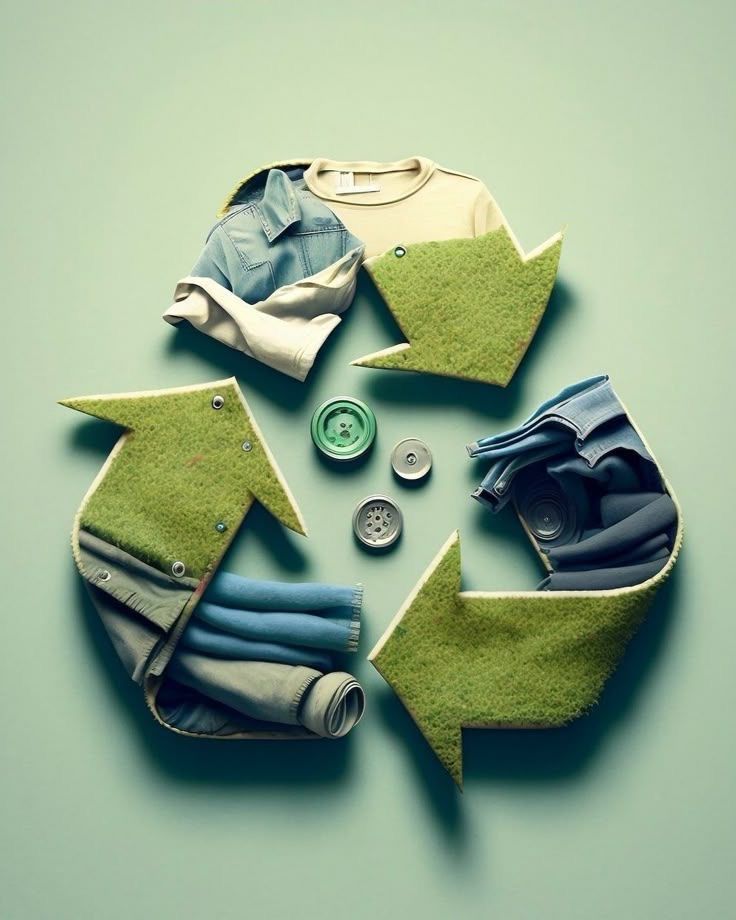
The Future of Sustainable Fashion
The fashion industry is one of the most dynamic and influential industries in the world. However, in recent years it has also become one of the most discussed industries when it comes to environmental impact and ethical concerns. Fast fashion, mass production, and excessive waste have raised serious questions about the sustainability of the clothing industry. As a result, a new movement known as sustainable fashion is gaining global attention. Sustainable fashion focuses on creating clothing that is environmentally friendly, ethically produced, and designed to last longer. As consumers become more conscious about their choices, the future of fashion is increasingly moving towards sustainability.
Understanding Sustainable Fashion
Sustainable fashion refers to clothing that is designed, manufactured, distributed, and used in ways that are environmentally responsible and socially ethical. It focuses on reducing waste, minimizing pollution, conserving natural resources, and ensuring fair wages and safe working conditions for workers.
Unlike fast fashion, which encourages constant consumption of cheap and disposable clothing, sustainable fashion promotes quality over quantity. It emphasizes timeless designs, durable fabrics, and responsible production methods that reduce harm to the planet.
Natural fabrics such as organic cotton, linen, and handwoven textiles play an important role in sustainable fashion. Traditional textiles like Khadi Fabric, Mangalgiri Fabric, and Pochampally Ikat are excellent examples of sustainable textiles because they involve minimal machinery and support skilled artisans.
The Environmental Impact of Fast Fashion
Fast fashion has drastically changed how people buy and use clothing. Large fashion brands produce new collections almost every week, encouraging consumers to purchase more clothing than they actually need. These clothes are often made using synthetic fabrics and low-cost production methods that harm the environment.
One of the biggest problems with fast fashion is textile waste. Millions of tons of clothing are discarded every year, and a significant portion ends up in landfills. Synthetic fabrics like polyester take decades to decompose, contributing to environmental pollution.
Another concern is water consumption. The textile industry uses enormous amounts of water for dyeing and processing fabrics. Additionally, chemical dyes and treatments can contaminate rivers and soil if not managed properly.
Sustainable fashion aims to reduce these negative impacts by promoting responsible production and mindful consumption.
The Rise of Conscious Consumers
One of the key reasons sustainable fashion is growing is the increasing awareness among consumers. Today’s buyers are more informed about the environmental and social impact of their purchasing decisions. Many people are now choosing brands that follow ethical practices and produce environmentally friendly clothing.
Consumers are also showing interest in handmade and traditional textiles. Handloom fabrics, natural dyes, and artisanal craftsmanship are becoming more appreciated because they represent authenticity and sustainability.
Younger generations in particular are driving this shift. They prefer brands that are transparent about their production processes and are committed to reducing their environmental footprint.
The Role of Handloom and Traditional Textiles
Traditional handloom textiles play a significant role in sustainable fashion. These fabrics are often made using natural fibers and involve minimal use of electricity or heavy machinery. The weaving process relies on skilled craftsmanship, which not only preserves cultural heritage but also supports local communities.
Fabrics such as Khadi Fabric, Mangalgiri Fabric, and Pochampally Ikat are sustainable alternatives to mass-produced fabrics. They are breathable, durable, and biodegradable, making them ideal for eco-conscious fashion.
By promoting handloom textiles, designers and brands can help preserve traditional crafts while contributing to a more sustainable fashion industry.
Innovations in Sustainable Fashion
Technology and innovation are also shaping the future of sustainable fashion. Many brands and designers are experimenting with eco-friendly materials and new production techniques that reduce environmental impact.
Some examples of sustainable innovations include:
- Fabrics made from recycled materials such as plastic bottles
- Plant-based textiles made from bamboo, banana fiber, or pineapple leaves
- Natural dyeing techniques that reduce chemical pollution
- Zero-waste pattern cutting methods
- Digital fashion design to minimize material waste
These innovations show that sustainability and creativity can go hand in hand in the fashion industry and can become The Future of Sustainable Fashion.
The Importance of Slow Fashion
Slow fashion is another important concept linked to sustainable fashion. It encourages consumers to buy fewer clothes but choose high-quality garments that last longer.
Slow fashion focuses on:
- Durable and timeless designs
- Ethical production practices
- Fair wages for workers
- Reduced environmental impact
- Mindful consumption
Instead of buying multiple low-quality items, slow fashion encourages investing in well-crafted clothing that can be worn for many years.
This approach not only reduces waste but also promotes a deeper appreciation for craftsmanship and design.
The Role of Designers and Businesses
Fashion designers and businesses play a crucial role in shaping the future of sustainable fashion. By choosing eco-friendly materials, reducing waste in production, and supporting local artisans, brands can create a positive impact on both the environment and society.
Many designers are now incorporating handloom fabrics, natural dyes, and traditional techniques into their collections. This approach not only supports sustainability but also creates unique and culturally rich fashion pieces.
Businesses that focus on transparency and responsible practices are gaining trust among consumers who value ethical fashion.
Challenges in Achieving Sustainable Fashion
Despite its growing popularity, sustainable fashion still faces several challenges. Eco-friendly fabrics and ethical production methods can sometimes be more expensive, making sustainable clothing less accessible to some consumers.
There is also a need for greater awareness and education about the benefits of sustainable fashion. Many people still prioritize low prices over environmental impact when purchasing clothing.
However, as awareness continues to grow and technology advances, sustainable fashion is expected to become more accessible and mainstream.
Conclusion
The future of sustainable fashion looks promising as consumers, designers, and businesses increasingly recognize the importance of responsible clothing production. By choosing eco-friendly fabrics, supporting traditional craftsmanship, and adopting mindful consumption habits, the fashion industry can move towards a more sustainable and ethical future.
Traditional textiles such as Khadi Fabric, Mangalgiri Fabric, and Pochampally Ikat demonstrate that sustainability has always been a part of textile heritage.
Sustainable fashion is not just a trend—it is a necessary shift towards protecting the planet, supporting artisans, and creating a more responsible fashion industry for future generations.