
A Complete Guide to Caring for Natural Fabrics
Natural fabrics have been used for centuries and remain one of the most preferred choices in clothing today. Fabrics made from natural fibers are comfortable, breathable, eco-friendly, and durable. Materials like cotton, linen, silk, and wool are widely used in clothing because they provide comfort and a natural feel against the skin. Traditional Indian textiles such as Khadi Fabric, Mangalgiri Fabric, and Pochampally Ikat are excellent examples of natural fabrics that combine comfort with craftsmanship. Follow A Complete Guide to Caring for Natural Fabrics .
However, to maintain their quality, texture, and longevity, natural fabrics require proper care. Unlike synthetic materials, natural fibers are delicate and can lose their strength or color if not handled correctly. Understanding how to wash, dry, and store these fabrics can help preserve their beauty for a long time.
Understanding Natural Fabrics
Natural fabrics are made from fibers that come from plants, animals, or natural sources. Cotton and linen are derived from plants, while silk and wool come from animal fibers. These materials are biodegradable and environmentally friendly compared to synthetic fabrics.
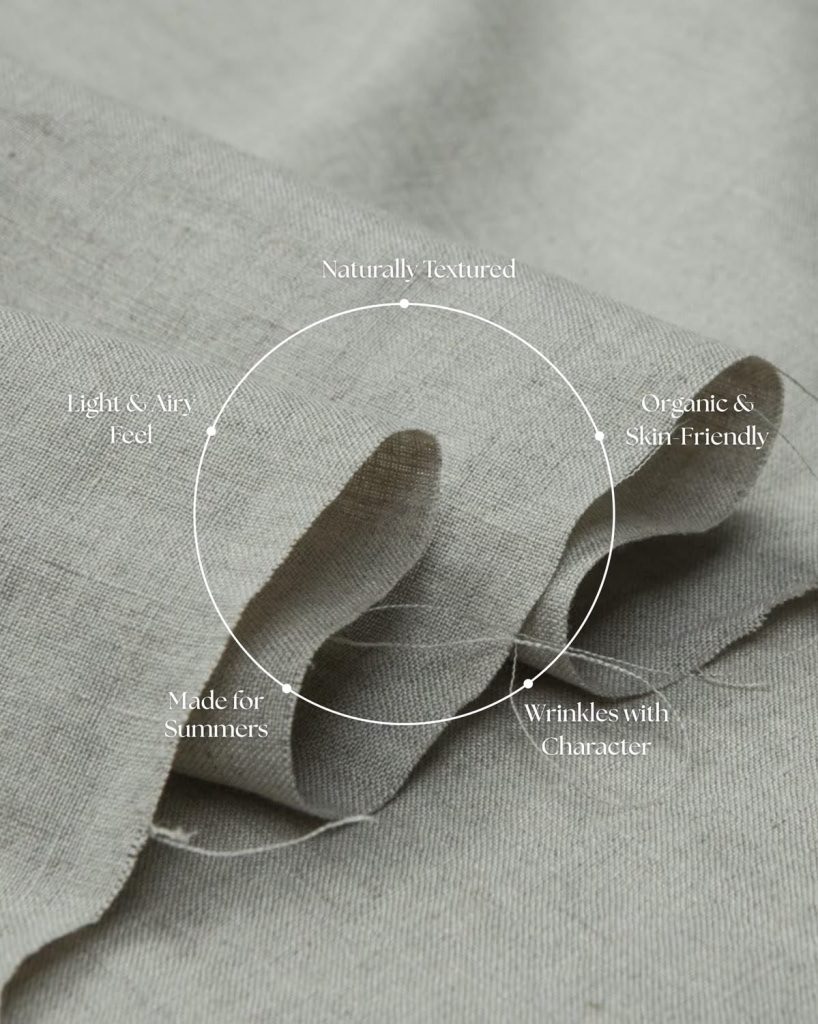
Natural fabrics are known for their breathability and softness. They allow air to circulate easily, making them ideal for warm climates. For example, cotton fabrics like Mangalgiri Fabric are widely appreciated for their lightweight and breathable nature, especially in summer.
Despite their many advantages, natural fabrics are more sensitive to heat, harsh detergents, and improper washing techniques. Therefore, proper care is essential to maintain their quality.
Washing Natural Fabrics
The first and most important step in fabric care is washing. Natural fabrics should always be washed gently to prevent damage to the fibers.
Whenever possible, hand washing is the best method for cleaning natural fabrics. Using cold or lukewarm water helps protect the fibers and prevents shrinkage. Harsh detergents should be avoided because they can weaken the fibers and fade the colors.
Mild detergents or natural soap solutions are better choices when washing delicate fabrics. Handwoven textiles such as Khadi Fabric should be washed gently without excessive rubbing or twisting.
Machine washing can sometimes be used for sturdy cotton fabrics, but it is recommended to use a gentle cycle and cold water to maintain the fabric’s quality.
Avoiding Harsh Chemicals
Natural fabrics are sensitive to strong chemicals such as bleach and heavy stain removers. These chemicals can damage the fibers and cause discoloration.
Instead of using strong chemicals, natural stain removal methods can be used.A Complete Guide to Caring for Natural Fabrics are mild soap, baking soda, or diluted vinegar solutions can help remove stains without harming the fabric.
Traditional textiles like Pochampally Ikat, which often use natural dyes, require extra care because harsh chemicals can affect the color and pattern of the fabric.
Using gentle cleaning methods helps preserve the natural texture and beauty of these fabrics & follow A Complete Guide to Caring for Natural Fabrics
Proper Drying Techniques
Drying natural fabrics properly is just as important as washing them. Excessive heat can damage fibers and cause shrinkage.
Air drying is the best method for natural fabrics. After washing, the fabric should be gently squeezed to remove excess water without twisting it. Twisting can distort the shape of the fabric and weaken the fibers.
Natural fabrics should be dried in a shaded area rather than under direct sunlight. Strong sunlight can fade colors and weaken fibers over time. Hanging garments properly or laying them flat while drying helps maintain their original shape.
This is especially important for delicate handloom fabrics that require careful handling & A Complete Guide to Caring for Natural Fabrics
Ironing Natural Fabrics
Natural fabrics often wrinkle easily, especially cotton and linen. Proper ironing helps restore their smooth appearance.
When ironing natural fabrics, it is important to use the correct temperature setting. High heat may damage delicate fibers such as silk or fine cotton.
Ironing garments while they are slightly damp can help remove wrinkles more easily. Using steam can also make the ironing process smoother.
For handloom fabrics, placing a thin cloth between the iron and the fabric can protect delicate textures and embroidery from direct heat.
Storing Natural Fabrics
Proper storage is essential for maintaining the quality of natural fabrics. Clothes made from natural fibers should be stored in clean, dry spaces where air can circulate freely.
Plastic covers should be avoided because they trap moisture, which can lead to mold or mildew. Instead, cotton garment bags or breathable fabric covers are ideal for storing delicate clothing.
For sarees and handwoven fabrics, folding them neatly and changing the fold lines occasionally helps prevent permanent creases. This practice is especially useful for preserving traditional textiles and designer garments.
Adding natural repellents like neem leaves or lavender sachets can help protect fabrics from insects without using harmful chemicals.
Caring for Handloom Fabrics
Handloom fabrics require special attention because they are crafted using traditional techniques. Each piece of handwoven fabric carries the skill and effort of artisans.
Fabrics like Khadi Fabric and Mangalgiri Fabric should be washed gently and stored carefully to maintain their texture.
These fabrics often become softer and more comfortable with each wash when cared for properly. Proper maintenance ensures that the fabric retains its beauty and durability for many years.
Benefits of Proper Fabric Care
Taking good care of natural fabrics offers several benefits. It increases the lifespan of garments, maintains their color and texture, and reduces the need for frequent replacements.
Proper care also supports sustainable fashion practices. When clothes last longer, fewer resources are needed for producing new garments, which helps reduce environmental impact.
By maintaining natural fabrics responsibly, consumers can contribute to a more sustainable and eco-friendly fashion industry.
Conclusion
Natural fabrics are valued for their comfort, beauty, and environmental benefits. However, they require thoughtful care to maintain their quality and longevity. Gentle washing, avoiding harsh chemicals, proper drying, careful ironing, and appropriate storage are essential steps in preserving these fabrics.
Traditional textiles such as Khadi Fabric, Mangalgiri Fabric, and Pochampally Ikat represent not only natural fabrics but also the rich craftsmanship of Indian textile heritage.
By caring for natural fabrics properly, we not only protect our clothing but also support sustainable fashion and the preservation of traditional textile arts. With the right care and attention, natural fabrics can remain beautiful, comfortable, and durable for many years.