
How to Identify Handloom Textiles: A Complete Guide for Fabric Lovers
India has a rich tradition of handwoven fabrics that reflect the country’s cultural heritage, craftsmanship, and artistic skills. Lets Discover How to Identify Handloom Textiles . From elegant sarees to breathable cotton fabrics, handloom textiles are admired for their beauty, durability, and uniqueness. However, with the increasing use of powerloom and machine-made fabrics in the market, it has become difficult for customers to differentiate between authentic handloom textiles and machine-made alternatives.
Understanding how to identify handloom textiles is important not only for buyers but also for those who want to support traditional weavers and sustainable fashion. This guide will help you learn the key features and techniques to recognize genuine handloom fabrics.
What Are Handloom Textiles?
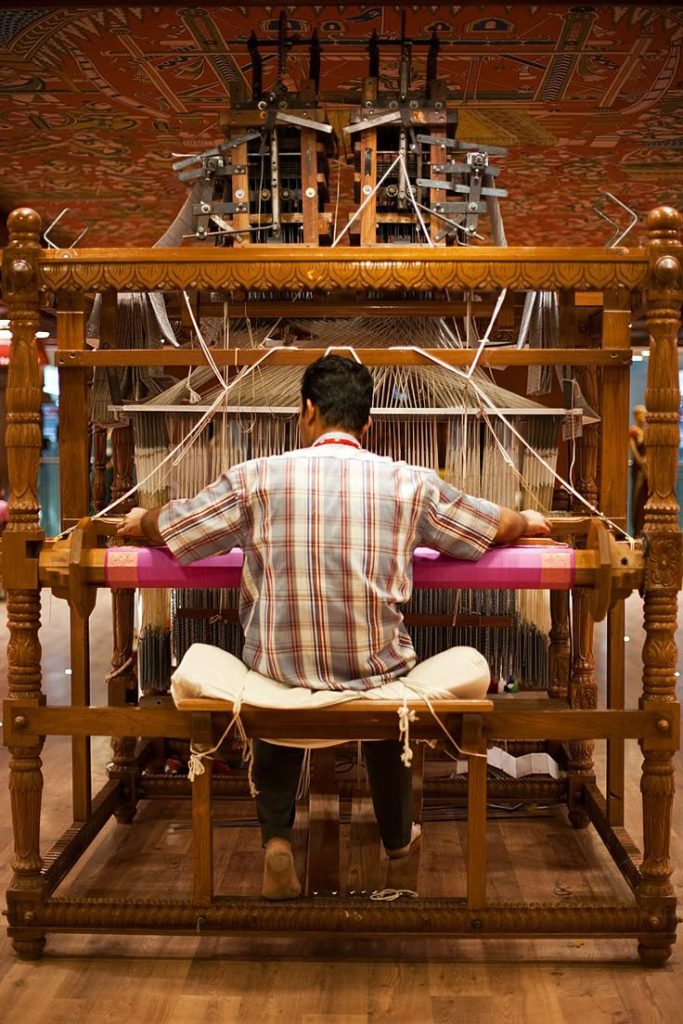
Handloom textiles are fabrics that are woven manually on a loom operated by hand rather than by electricity or automated machines. Skilled artisans interlace warp and weft threads using traditional techniques that have been passed down through generations.
Some of the most well-known Indian handloom fabrics include Mangalgiri Fabric, Pochampally Ikat, Khadi Fabric, Ajrakh Textile, and Chanderi Fabric. These fabrics are known for their authenticity, comfort, and craftsmanship.
Why It Is Important to Identify Handloom Fabrics
The rise of machine-made fabrics has created confusion in the textile market. Many fabrics are sold as handloom even though they are produced using powerlooms. So Follow the guide of How to Identify Handloom Textiles.
Identifying genuine handloom fabrics helps in:
- Supporting traditional artisans and weavers
- Preserving India’s textile heritage
- Promoting sustainable and slow fashion
- Ensuring better quality and durability
- Getting value for the money spent on handcrafted textiles
When consumers are aware of these differences, they contribute to keeping the handloom industry alive.
1. Look for Slight Irregularities in the Weave
One of the most important signs of a handloom fabric is the presence of slight irregularities in the weave. Since the fabric is woven manually, the threads may not be perfectly uniform.
Unlike machine-made textiles, which appear extremely smooth and identical throughout, handloom fabrics have small variations that add character and uniqueness to the cloth.
These irregularities are not defects; in fact, they are proof of handcrafted authenticity.
2. Check the Reverse Side of the Fabric
Another useful way to identify handloom textiles is by examining the back side of the fabric.
Handloom fabrics often show loose threads, knots, or variations on the reverse side because the weaving process is done manually. In contrast, machine-made fabrics usually have a very clean and perfectly finished backside due to automated production.
Looking closely at the reverse side can often reveal whether the fabric is handmade.
3. Feel the Texture of the Fabric
Handloom fabrics usually have a natural and breathable texture. When you touch them, they feel softer and more comfortable compared to many machine-made fabrics.
For example, fabrics like Khadi Fabric have a slightly coarse yet airy feel, while handwoven cottons such as Mangalgiri Fabric feel light, smooth, and breathable.
Machine-made fabrics often feel too smooth or synthetic because they are produced using high-speed automated processes.
4. Observe the Design Alignment
In handloom textiles, patterns or motifs may show very small variations because they are created manually. The alignment of designs might not be perfectly symmetrical.
For example, in Pochampally Ikat, the dyeing and weaving process creates slightly blurred edges in patterns. This effect is a natural feature of the traditional Ikat technique.
Machine-made designs, on the other hand, usually appear extremely sharp and perfectly identical across the entire fabric.
5. Check the Selvage Edges
The edges of handloom fabrics, known as selvage, often have a distinct and slightly thicker appearance. These edges are created during the weaving process and help maintain the structure of the fabric.
Handloom sarees and fabrics usually have firm and neatly woven borders. Powerloom fabrics may also have borders, but they often appear too uniform and machine-finished.
Examining the edges carefully can provide valuable clues about the weaving method used.
6. Look for the Handloom Mark
In India, the government introduced the Handloom Mark certification to help consumers identify genuine handloom products. This mark ensures that the textile has been produced on a handloom by registered artisans.
When purchasing sarees, dress materials, or fabrics, checking for the official handloom label can help verify authenticity.
Although not every genuine handloom product carries this label, it is still a reliable indicator when available.
7. Understand the Price Difference
Handloom textiles often require more time, skill, and effort to produce. A single saree or fabric piece can take several days or even weeks to complete.
Because of this detailed craftsmanship, authentic handloom fabrics may be slightly more expensive than machine-made alternatives. Extremely low prices can sometimes indicate powerloom or synthetic fabrics being sold as handloom.
However, the quality, durability, and uniqueness of handloom textiles make them a worthwhile investment.
8. Learn About Regional Textile Traditions
India is known for its diverse handloom traditions, each with unique weaving techniques and designs.
For example:
- Chanderi Fabric is famous for its lightweight texture and glossy appearance.
- Ajrakh Textile is recognized for its intricate block printing and natural dyes.
- Pochampally Ikat is admired for its geometric patterns and resist-dyeing technique.
Learning about these regional crafts makes it easier to identify genuine fabrics and appreciate their artistic value.
Supporting Handloom Weavers
When you choose handloom textiles, you are not just buying a piece of fabric; you are supporting a centuries-old tradition and the livelihoods of skilled artisans.
The handloom industry provides employment to millions of weavers across India, many of whom belong to rural communities. By choosing handcrafted textiles, consumers help preserve cultural heritage and promote sustainable fashion.
Handloom fabrics are also eco-friendly because they require minimal electricity and often use natural fibers and dyes.
Conclusion
Identifying handloom textiles may seem challenging at first, but with careful observation and basic knowledge, it becomes much easier. Looking for irregularities in the weave, examining the reverse side, feeling the texture, and understanding traditional patterns are some of the most effective ways to recognize authentic handloom fabrics.
Handloom textiles represent artistry, heritage, and sustainability. By learning how to identify them, consumers can make informed choices and contribute to preserving India’s rich textile traditions for future generations.
Choosing handloom is not just a fashion decision, it is a way to celebrate craftsmanship, culture, and responsible living. So From Now You Will Never ask anyone about How to Identify Handloom Textiles.