
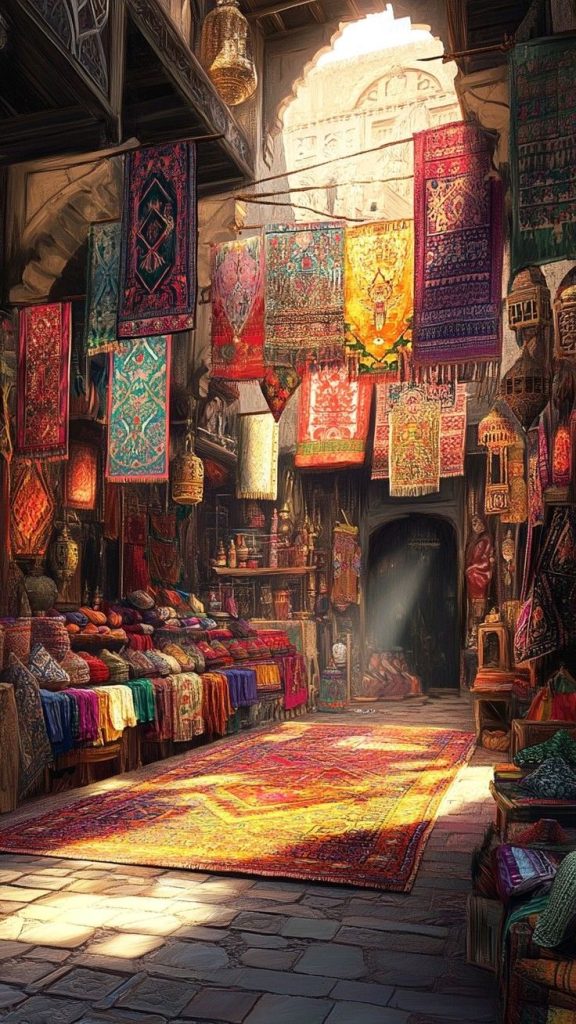
Indian Textile Heritage of India is one of the richest and most diverse in the world. For centuries, Indian fabrics have represented culture, craftsmanship, and regional identity. From the intricate weaves of handloom sarees to the vibrant natural dyes used in traditional fabrics, Indian textiles are more than just clothing — they are a reflection of history, art, and the skilled hands of artisans who have preserved these traditions for generations.This legacy of textile craftsmanship has evolved over thousands of years, making India one of the most influential textile centers in the world.
The Historical Roots of Indian Textiles
The story of Indian textiles dates back to the Indus Valley Civilization (around 2500 BCE), where evidence of cotton cultivation and spinning was discovered. India was among the first countries in the world to cultivate cotton and transform it into fabric.
Ancient travelers and traders often spoke highly of Indian textiles. The softness of Indian cotton, the brilliance of natural dyes, and the precision of handwoven fabrics made them highly sought after in global markets. Indian fabrics were exported to Rome, Egypt, Southeast Asia, and the Middle East, establishing India as a global textile hub.
During the medieval period, Indian textiles flourished under royal patronage. Kings and emperors supported skilled weavers, dyers, and embroiderers, which helped develop iconic textile traditions across different regions of the country.
Diversity of Indian Textile Traditions
One of the most fascinating aspects of Indian Textile Heritage of India is its incredible regional diversity. Each state in India has developed its own weaving techniques, dyeing processes, motifs, and fabric styles.
In the eastern region, intricate weaving traditions have created luxurious silk fabrics known for their rich patterns and artistic motifs. Southern India is known for temple-inspired weaves and traditional cotton fabrics with elegant borders. Western India developed resist-dye techniques and block printing methods that produce vibrant and geometric designs. Northern India is famous for its embroidery traditions and fine wool textiles.
This regional diversity makes Indian Textile Heritage of India unique because every fabric tells the story of its place of origin.
Handloom: The Soul of Indian Textile Heritage
Handloom weaving is the backbone of India’s textile culture. A handloom is a manually operated loom where artisans carefully interlace threads to create fabric. Unlike machine-made textiles, handloom fabrics carry a distinct character and individuality because every piece is crafted by human skill.
Handloom weaving is not just a technique but a tradition passed down through generations. Families of weavers continue to practice the craft that their ancestors perfected centuries ago.
Handloom fabrics are known for:
- Breathable and comfortable texture
- Eco-friendly production methods
- Long-lasting durability
- Unique artistic designs
In recent years, there has been a renewed appreciation for handloom textiles as people become more conscious about sustainable and slow fashion.
Traditional Dyeing and Printing Techniques
Another remarkable aspect of Indian Textile Heritage of India is the use of traditional dyeing and printing methods. Many of these techniques use natural dyes derived from plants, minerals, and flowers, making them environmentally friendly.
Some traditional techniques include:
Block Printing
Artisans carve intricate patterns on wooden blocks and stamp them onto fabric using natural dyes. This technique requires precision and patience, as every layer of color is printed separately.
Resist Dyeing
This method involves covering parts of the fabric before dyeing so that patterns appear when the dye is applied. Techniques such as tie-dye and wax resist have been practiced in India for centuries.
Hand Painting
In this technique, skilled artists paint designs directly onto fabric using brushes and natural colors, turning each textile into a piece of art.
These traditional processes require immense skill and time, which is why handcrafted textiles are highly valued.
Embroidery: Threads That Tell Stories
Indian embroidery is another important part of textile heritage. Different regions have developed their own embroidery styles, each with distinct stitches, patterns, and cultural symbolism.
For example, some embroidery traditions use mirror work and vibrant threads to create festive garments, while others focus on delicate floral motifs stitched with silk threads.
Embroidery is commonly used in bridal wear, festive outfits, shawls, and decorative textiles. Many embroidery forms were traditionally practiced by women artisans in rural communities, helping preserve both craft and livelihood.
Cultural Significance of Indian Textiles
In India, textiles are deeply connected to traditions, rituals, and celebrations. Different fabrics are worn during weddings, festivals, religious ceremonies, and special occasions.
For instance:
- Brides often wear richly woven silk sarees symbolizing prosperity and tradition.
- Cotton fabrics are commonly worn in warmer climates due to their comfort and breathability.
- Embroidered textiles are used during festive celebrations and cultural events.
Textiles also reflect social identity, community traditions, and regional pride. The motifs, colors, and weaving patterns often carry symbolic meanings rooted in local culture.
Challenges Faced by Traditional Artisans
Despite the richness of Indian textile heritage, traditional artisans face several challenges today. The rise of mass-produced fabrics and fast fashion has reduced demand for handcrafted textiles.
Many artisans struggle with:
- Limited access to modern markets
- Lack of fair pricing for their work
- Declining interest among younger generations to continue traditional crafts
However, awareness about sustainable fashion and handmade products is gradually helping revive interest in traditional textiles.
The Revival of Indian Handcrafted Textiles
In recent years, designers, entrepreneurs, and conscious consumers have started supporting handcrafted textiles again. Fashion designers are blending traditional fabrics with modern silhouettes, creating contemporary outfits that celebrate heritage while appealing to younger audiences.
Online platforms, exhibitions, and textile initiatives are also helping artisans reach wider audiences across the country and internationally.
By supporting handcrafted textiles, consumers are not only purchasing beautiful fabrics but also contributing to the preservation of cultural heritage and the livelihood of artisan communities.
Preserving the Legacy for Future Generations
Indian textile heritage is a living tradition that continues to evolve while staying rooted in history. The craftsmanship of weavers, dyers, printers, and embroiderers represents centuries of knowledge and creativity.
Preserving this heritage requires collective efforts from designers, businesses, policymakers, and consumers. Encouraging the use of handloom fabrics, supporting artisan communities, and educating people about textile traditions can help sustain these crafts for generations to come.
Indian textiles are not merely fabrics; they are stories woven in threads — stories of culture, artistry, and the timeless beauty of craftsmanship.